Mobile X-ray systems have existed since World War I, beginning with the well-known “petites Curies.” These were radiology vehicles developed by Marie Curie, which she used to bring X-ray imaging to the battlefield, enabling doctors to locate injuries and diagnose patients on-site. Since then, technology has continuously evolved, leading to the modern mobile X-ray systems used today in various healthcare settings, such as ERs, ICUs, and ORs. These systems are also increasingly utilized in long-term care facilities, outpatient clinics, and even home healthcare, making diagnostic imaging more accessible than ever.
Being able to perform imaging without moving a patient has greatly improved diagnostics and reduced the discomfort and risk for those in severe pain, among other significant benefits for both patients and medical facilities, as it allows quick, efficient, and safe imaging while increasing workflow and accuracy.
However, choosing the right mobile X-ray system can be challenging due to the variety of options available. Considering factors such as the system’s features, portability, image quality, ease of use, and maintenance needs can help you make a better decision according to your specific healthcare setting and patient needs.
Let’s explore some key questions to consider before purchasing mobile X-ray equipment.
- Is Price the Most Important Factor in Choosing Imaging Equipment?
It’s clear that price often influences purchasing decisions, regardless of the product. While a higher price doesn’t always guarantee the best quality, opting for cheaper options can lead to higher costs over time. In diagnostic imaging, the cost reflects the equipment’s features and capabilities.
For example, mobile X-ray systems come with a range of detector options, each affecting cost and performance in different ways. Higher-resolution detectors, such as those with 100-micron pixels, are usually more costly than those with a 140-micron pixel size due to the higher cost of manufacture and position as the prestige level of detectors. Glassless panels, known for their durability and reduced risk of breakage, may also be more expensive than standard TFT panels, but they offer greater reliability and longevity because of their resistance to impact.
Mobile X-ray units typically cost between $100,000 and $300,000, with annual maintenance fees ranging from 5% to 10% of their purchase price. A significant market for refurbished equipment offers cost savings of 20% to 40%, providing a more budget-friendly alternative without compromising on functionality.
Buying a mobile X-ray system is about meeting your facility’s diagnostic needs. While price matters, it shouldn’t be the only factor guiding your decision.
- What Are My Imaging Requirements?
This question often brings up others, such as: Where will you use the mobile unit? What is the size of the room where the equipment will be used? Is it for an ER, to move around the hospital, or for specific cases within the facility? Each environment has unique needs for factors like image resolution, portability, and speed. Additionally, consider your typical patient population and clinical workflow. The number of X-rays you need daily impacts both battery life and system durability, so understanding these requirements is essential to selecting the best fit for your facility.
Focusing on the detector in the system, do you require detailed imaging of organs or bone structures? What level of pixel pitch and dynamic range best suits your diagnostic needs? Additionally, how quickly do you need images to be available post-capture to ensure efficient patient care?
In short, choosing the right mobile X-ray system is about more than just specs—it’s about fitting the equipment to your daily routines and the unique demands of your patients. From where it will be used to how fast you need images and what kind of detail matters most, each decision impacts patient care. Taking time to understand these factors can make all the difference in finding a system that supports your team and enhances the experience for your patients.
- How Portable and Maneuverable is the System?
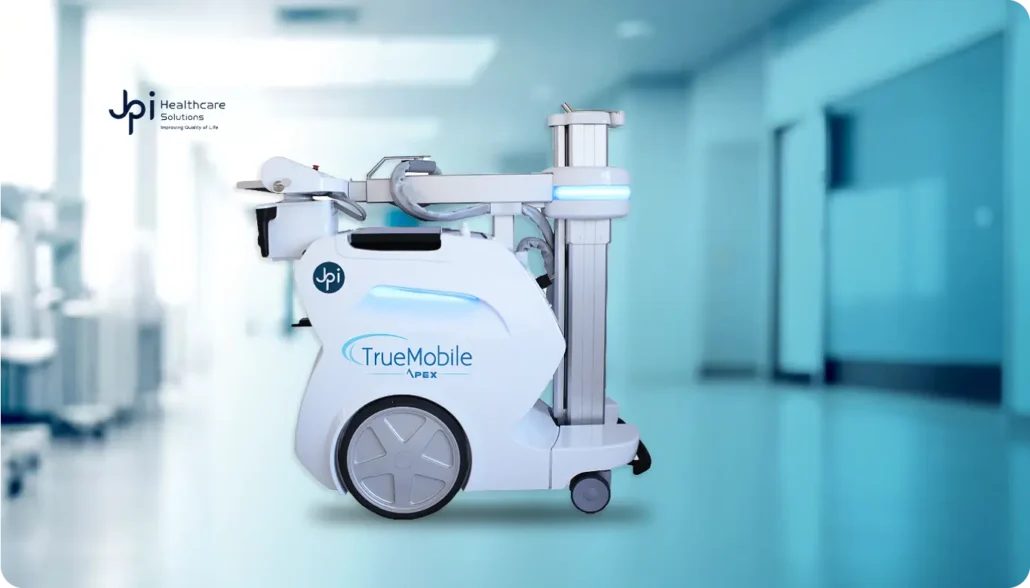
When it comes to portability and maneuverability, you want a mobile X-ray system that easily navigates busy hallways and tight rooms, allowing you to move swiftly between patient rooms. A well-designed system should feel easy to handle, with smooth wheels and intuitive controls, so transporting it is hassle-free even in urgent care settings. This makes a big difference in high-traffic areas like the ER, where every second counts, and in large hospitals where you need to go long distances between patients or exam rooms.
You should also think about how easy the system is to position around patients, especially those who may be immobile or in critical condition. Systems with flexible arms and easy rotation allow you to get the right angle without needing to adjust the patient. This can make the imaging process less invasive and more comfortable for both patients and staff, especially when quick adjustments are necessary.
- What is Battery Life?
A major trade off for a light, compact mobile system is often the batteries built into it. The first thing to consider is how long the system can stay powered during regular use and whether that works with your facility’s pace. If your team needs the unit to operate throughout a busy day, look for models with extended battery life or quick-charge features to keep things running smoothly. Frequent recharging can disrupt patient care and workflow, so a long-lasting battery that allows for multiple imaging sessions on a single charge ensures the unit is ready whenever it’s needed.
Look for options that make charging easier, like quick or partial charging or swappable batteries. A swappable or partial charging battery setup allows you to keep the system running, minimizing downtime and ensuring the system is ready to go even during high-demand periods or in settings where charging access is limited. This flexibility can make all the difference in keeping patient care smooth and efficient.
- Why Does Software Matter?
User-friendly software greatly enhances the ease of use for mobile X-ray systems, allowing technologists to operate them more efficiently. Intuitive design minimizes training time, enabling staff to focus on patient care instead of navigating complex interfaces. Regular software updates from the manufacturer keep the system running smoothly and can introduce new features, ensuring that the equipment stays up-to-date with technological advancements.
Software plays a vital role in maximizing the effectiveness of mobile X-ray systems. High-quality software enhances image clarity, helping clinicians capture fine details that may otherwise be missed. With features like noise reduction and contrast adjustment, the software ensures images meet diagnostic standards.
When introducing a new mobile X-ray system to your facility, it’s important to consider how it stores, manages, and secures information. Smooth integration with your existing IT infrastructure, particularly with PACS and EHR systems, enables medical teams to collaborate more effectively and make faster decisions. This connectivity ensures that patient records are up-to-date and easily accessible, improving care quality and reducing delays. By eliminating the need for manual data transfers, your team can access images and patient records instantly, ensuring that information is always available when needed without complications.
- How Secure Is Your Mobile X-Ray System from Cyber Attacks?
Imagine a mobile X-ray system moving throughout a hospital, handling sensitive patient information while being vulnerable to hacks. This could lead to privacy breaches, financial penalties, and a loss of trust among patients. To prevent this, it’s essential to have up-to-date security measures in place to keep data secure.
Look for systems with strong encryption for both stored and transmitted data, which makes it much harder for hackers to access. Built-in firewalls and malware protection provide additional security layers, while regular software updates from manufacturers help address potential vulnerabilities.
It’s also wise to include mobile X-ray systems in your facility’s broader cybersecurity protocols. Secure user authentication, access controls, and activity monitoring ensure that only authorized personnel handle sensitive data. By working with your IT team to align with security standards, you can create a safer environment for both patients and staff.
- How Will Service and Warranty Plans Affect Your Mobile X-Ray Investment?
The service and warranty plans you choose can greatly impact both your budget and the longevity of your equipment. A well-structured warranty ensures that you’re protected from unexpected repair costs, which can add up quickly. It’s important to understand what’s covered—whether parts, labor, or both—to avoid any surprises down the road.
When considering service and warranty plans, two key factors come to mind: ensuring your investment is protected and minimizing downtime in case of failure. A solid warranty covers repairs and provides peace of mind, while regular maintenance and software updates keep your system running smoothly. Quick-response support is essential to avoid long disruptions, allowing your mobile X-ray system to continue functioning at its best without significant interruptions to your facility’s operations.
Another important consideration is the level of service offered. Some providers offer comprehensive packages that include everything from routine check-ups to emergency repairs, while others may only cover the basics. It’s crucial to evaluate the provider’s reputation and response times, as well as whether their service staff is easily accessible, ensuring you’re never left in the lurch when an issue arises.
Lastly, it’s important to gather information about battery maintenance, including how often it needs to be replaced, as well as the cost and availability of replacement batteries. A mobile X-ray system represents a significant investment, and if, after just two years, you find that replacing an expensive battery is necessary, it could result in financial losses. In the worst case you may have to stop using the equipment until the battery can be bought and installed, which could ultimately outweigh any benefits from cheaper equipment.
In conclusion
The market for mobile X-ray systems is vast, with options ranging from top branded manufacturers to companies specializing in refurbished equipment or offering both. With so many choices, asking the right questions is key to finding a system that meets both immediate and future needs.
Questions about image quality, software features, battery life, and cybersecurity can help ensure the system aligns with your facility’s clinical and workflow requirements. By focusing on these elements, you can support patient-centered care and optimize daily operations.
Investing in a mobile X-ray system goes beyond addressing immediate needs—it’s about preparing for future demands. With reliable support, service plans, and warranties, your system can become a valuable, adaptable asset, enhancing patient care, diagnostic accuracy, and operational efficiency in an evolving healthcare landscape.